

Tokyo can feel overwhelming and endless, but it’s actually also one of the easiest big cities to visit with kids. Don’t believe us? We’ll show you why.
There’s always something to see, the trains are safe and efficient, and the food is incredible. This guide covers how we spent four days in Tokyo with our kids (ages 5 and 8), including the parts they loved most, what we’d skip, and the tips we wish we’d had on our first trip.
This is part of our 10-day Japan-with-kids itinerary, but if you’re planning a longer trip, start here and use this guide for your Tokyo visit. Without further ado, here is how we would do Tokyo with two kids in tow.
Quick Overview
- Length: 4 days
- Best for: Families with young children, ages 4-10
- Where we stay: Maihama, Chiba, close to the Disney parks
- Our usual season for travelling to Japan: Fall and winter
- Highlights: Tokyo DisneySea, Skytree and Akihabara, Shibuya, Shinjuku, Harajuku, a Yakult Swallows game, and the Pokémon Center
Where to stay in Tokyo with kids
We generally stay in two places in Tokyo: Shinagawa or Maihama, Chiba, because it’s close to the Disney parks. We’ve stayed at a couple of different hotels, most recently at Hotel Okura Tokyo Bay, which we really liked. It was lovely and very reasonably priced, and it’s a short walk to the Disney Resort Line, which goes to each park for a small fee (you can use your Suica card).
If you’re not visiting the Disney parks, we’ve also stayed in Shinagawa, which has a Shinkansen station and easy train connections. While there isn’t as much to do as in Shibuya or Shinjuku, Shinagawa is central and provides easy access to most areas of Tokyo.
Day 1: Arrive and keep it light
After a long flight, we keep the first day simple. Have a good meal, then try to get to bed in the evening if you can manage to stay awake. This is a good time to head to a grocery store or convenience store to load up on some essentials. Here are a few things we always grab on the first night in Japan:
- Sanitary wipes for hands and for kids who need to use the washroom
- Some snacks or candies to keep on us if the kids get low energy
- Tissues
- Some Tylenol or Buffering in case the jet lag causes some headaches or nausea
Day 2: Tokyo DisneySea
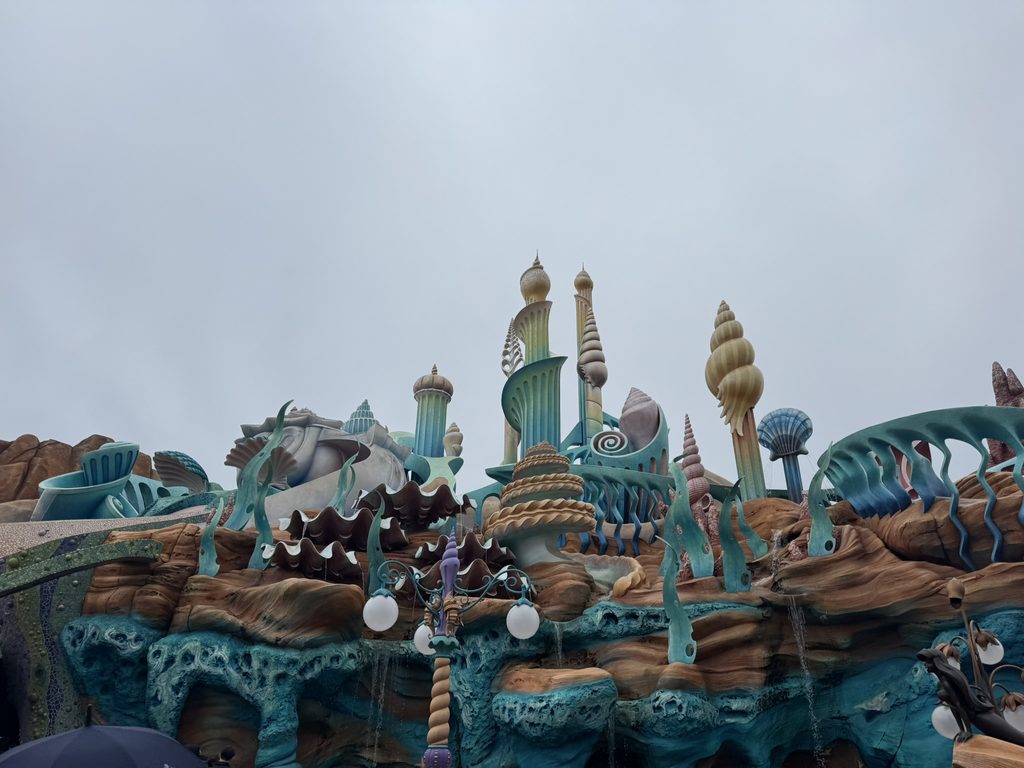
If you’re choosing between the two Disney parks, we recommend DisneySea because it’s unique to Japan. We bought our tickets in advance before leaving Canada, on the official DisneySea ticket site. We generally try to go on weekdays when it is less busy, and tickets are a bit cheaper at 9,900 yen for adults and 5,600 yen for children. Weekends can cost more, so check the official site for the date you’re going. Sometimes we buy the evening pass for the Disneyland side instead, so we can enjoy dinner and the end-of-night fireworks show there, then spend the entire next day at DisneySea.
Head to Fantasy Springs early. Our kids loved the Frozen and Tangled rides. You do need a timed entry to get into Fantasy Springs, so get it through the Tokyo Disney mobile app or online before you go. Rules for this area have changed over time, so check the official Tokyo Disney Resort site before your trip. If you’re interested in the Fantasy Springs side, here’s our Fantasy Springs with kids review.
We arrived in the morning before the gates opened and lined up with the crowd. It is not unusual to see people lining up at least an hour before the park gates open. As soon as we got in, we got the timed entry pass for Fantasy Springs. We also got the timed entry for Rapunzel’s Lantern Festival, since Tangled is our daughter’s favourite movie. If you want to pay for Disney Premier Access (DPA) tickets, you may do so every 60 minutes after you have entered the park.
Our daughter also loves the Duffy the Bear area and always needs to add a new stuffed animal to her collection. Other family favourites are Nemo & Friends SeaRider, Jasmine’s Flying Carpets in the Arabian Coast area, and the rides in Mermaid Lagoon.
We stayed until the evening and left after the final show. It’s a long day, but our kids love every minute of it!
Tip: Try the popcorn flavours in the different areas of the park. Each section has its own flavours, and our kids’ favourite was the roast beef one in Fantasy Springs. Unfortunately, that flavour has been discontinued and replaced with the equally delicious Garlic Shrimp flavour.
Family tip: We always eat the breakfast buffet at Hotel MiraCosta, right at Tokyo DisneySea. Here are the prices for the breakfast buffet at the Oceano restaurant at the Hotel MiraCosta:
- Ages 7 to 12: ¥2,900 per child (increasing to ¥3,000–¥3,200 starting April 1, 2027)
- Ages 4 to 6: ¥2,200 per child (increasing to ¥2,400 starting April 1, 2027)
- Ages 3 and under: Free of charge
Day 3: Skytree and Akihabara
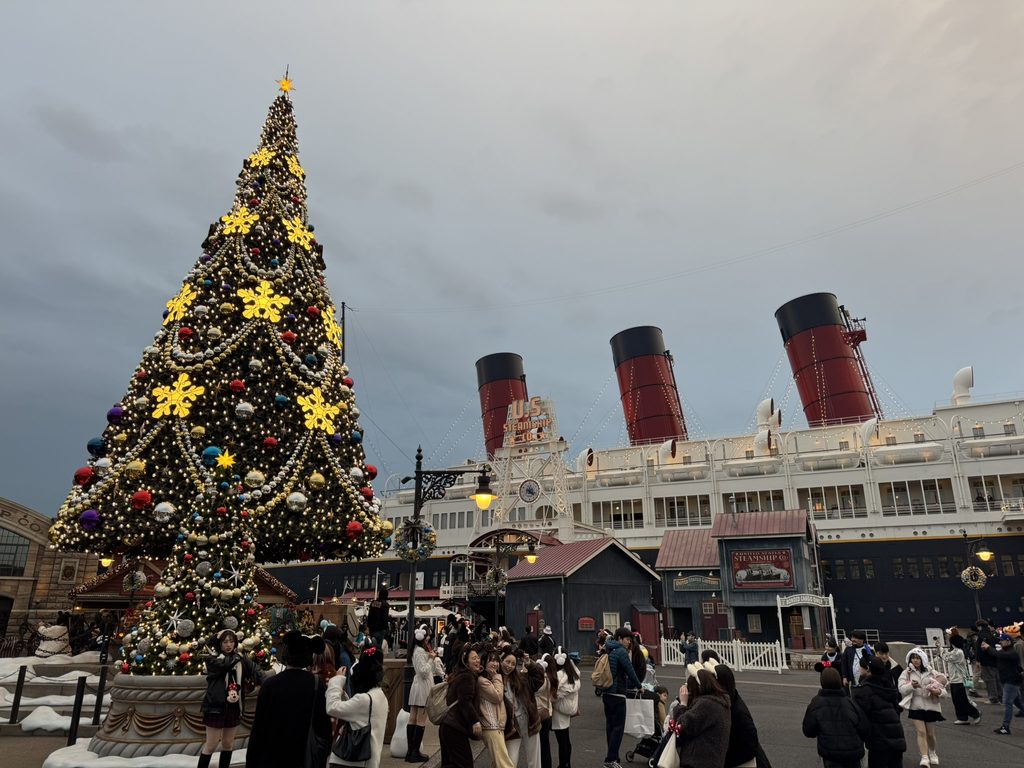
We didn’t manage to go up Skytree on this trip because it was overcast, but our kids still loved walking around the area and taking in the cool shops. On this trip, we were staying in Shinagawa, so we took the Keikyu Main Line (Limited Express toward Narita Airport) one stop to Sengakuji Station, which takes about 2 minutes.
We stayed on the same train as it continued onto the Toei Asakusa Line (Rapid service) and rode it straight to Oshiage (Skytree) Station, which takes about 24 to 25 minutes. The area around Skytree was very nice to walk around, and we visited some fun shops at the Solamachi mall, including the Harry Potter Shop, the Kirby Cafe Shop, and the Ultraman Shop.
Then we took a quick trip to Akihabara, where we played arcade games and checked out the latest gadgets at the giant Yodobashi Akihabara store. From Skytree, we took the Toei Asakusa Line from Oshiage Station to Asakusabashi Station, then transferred to the JR Sobu Line for one stop to Akihabara Station. The trip takes about 12 minutes and costs roughly 217 to 389 yen per person. We stayed for the afternoon and into the evening.
Our son loved the drum games and the Pokémon battle games, and our daughter loves the claw games and gashapon. See our guide to gashapon in Japan if you want to know more about Japan’s popular toys!
Tip: Try to go on a clear day so you can head up Skytree. If going up isn’t a priority, the surrounding area is still nice to see.
Day 4: Shibuya and Shinjuku
Shibuya
We visited Shibuya Crossing, took a brief look at Shibuya Sky, and went to the Pokémon Center in Shibuya. Not much else to say here: Shibuya is an incredible area and a must-see on everyone’s first visit to Tokyo!
Our kids’ favourite: Just try to keep your kids out of the Pokémon Centers. The Shibuya Pokémon Center is great for getting cards and meeting new trainers who are playing Pokémon Go.
Tip: If you want Pokémon cards from the Pokémon Center, head there early. Once they sell out for the day, you’re out of luck.
Shinjuku
In Shinjuku, we love walking around the shopping districts and grabbing a bite at the Takashimaya Times Square building. We enjoyed unagi don at Fukinuki on the 14th floor this time, a treat and a delicacy that we recommend trying when in Japan.

Bonus: Harajuku, Omotesando, and a Tokyo Yakult Swallows game
If your trip lines up with baseball season, a Yakult Swallows game is a fun way to end a day in this part of Tokyo. Harajuku and Omotesando sit close together, and you can walk or take a short train ride on toward Aoyama, where the Swallows play. We caught our game on a summer trip, so think of this as a bonus stop.
Harajuku and Omotesando
We took the JR line to Harajuku Station and walked around the area. We loved walking down Takeshita Street, then shopped on Cat Street in Omotesando and stopped by the Omotesando Hills mall. We ate at a wonderful Thai restaurant near Cat Street, just behind the mall. It’s called Chao Bamboo.
Winter bonus: In the winter, Omotesando is lined with beautiful Christmas lights.
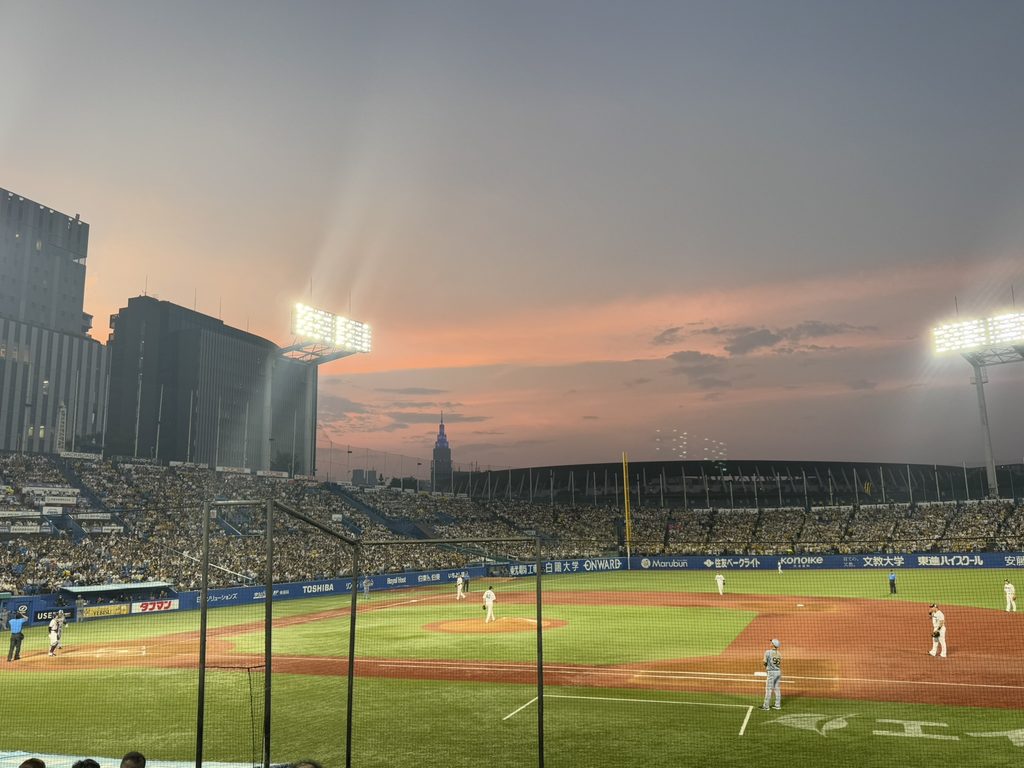
Watching the Swallows at Meiji Jingu Stadium
The Tokyo Yakult Swallows play at Meiji Jingu Stadium in Aoyama. [confirm how you got there from Harajuku or Omotesando, including walking time]
We bought our tickets online. Here’s our step-by-step guide to buying Yakult Swallows tickets. They weren’t bad: we had very good seats for about $50 CAD. Of course, seats closer to the field can cost as much as 7200 Yen or about $65 CAD. We were fortunate enough to watch some of Munetaka Murakami’s final games with the Swallows before he joined the Chicago White Sox in the MLB.
For food, we got karaage and Baskin-Robbins ice cream served in a helmet, which our kids loved. They also loved the souvenir umbrellas you can buy for when the Swallows score runs. We bought Murakami jerseys and new hats, adding to our extensive baseball memorabilia collection.
Check the schedule first. Baseball season doesn’t run all year, and we usually travel in the fall and winter when the season is over, so we caught our game on a separate trip in the summer. Check the Swallows’ official schedule and ticket information before you plan your day around a game, since dates and prices change.
Getting around Tokyo with kids
Getting around Tokyo is easy with an IC card. You tap it to go through train and subway gates, ride buses, and pay at many convenience stores and vending machines. The adults in our family added a Suica to their Apple Wallets, and our son used one of our old Suica cards, although next time we will be getting him a child’s card. Read more about that below!
Physical cards and the deposit. A regular physical Suica or Pasmo costs 1,000 yen at a ticket machine: a 500 yen deposit plus 500 yen of starting balance. Visitors can also buy a Welcome Suica, which has no deposit but is valid for only 28 days and can’t be refunded. Availability and prices have changed in recent years, so check the JR East website before your trip.
Loading a card at a station. Put your card into a ticket machine, switch the screen to English, choose the option to add money (charge), insert cash, and confirm. The maximum balance is 20,000 yen. Convenience stores can also top up a physical card with cash.
Kids and fares. Children under 6 travel free, and children aged 6 to 11 pay half fare. To get the half fare on an IC card, you need a Child Suica, which you buy at a JR East ticket counter with your child’s passport. A regular adult card charges adult fares. We didn’t realize this, and our son used one of our old adult cards, so he likely paid full fare. Next time, we’ll buy a Child Suica for him. Fare rules and cards change, so check the JR East website before you go.
Getting your deposit back. If you have a regular Suica, you can return it at a JR East ticket office or machine before you leave Japan. You get your 500 yen deposit and any remaining balance back, minus a 220 yen handling fee. If the balance is under 220 yen, you just get the deposit.
Tip: During rush hour, try to board the train car closest to the escalators or elevators so you can make an easy exit from the station. Keep your kids close, and many people in Japan are willing to give up their seat for kids. We don’t need a stroller anymore, but if you use one, look for the train cars with wheelchair and stroller spaces for extra room.
For longer trips between cities, see our guide: Is the Japan Rail Pass Worth It?. We also send our luggage ahead between hotels whenever we change cities. If you fly with ANA, you can take advantage of their extremely helpful Tebura Service to deliver your luggage around Japan. Here is our review of ANA’s Tebura Service.
Eating with kids in Tokyo
Food is a big part of why we keep going back to Japan. Here are some of the meals our kids loved in Tokyo:
- DisneySea: Our kids loved eating at Sebastian’s Calypso Kitchen in Mermaid Lagoon and at Sakura, where they had sukiyaki and tempura. They also loved the popcorn flavours, especially the beef one in Fantasy Springs.
- Shinjuku: We enjoyed unagi don at Fukinuki on the 14th floor of Takashimaya Times Square.
- Omotesando: We had a wonderful Thai meal at Chao Bamboo, near Cat Street.
Our kids also love convenience-store food, especially the fried chicken at Lawson and, of course, the cup noodles.
Tip: Look for the food floors at department stores. They have great food and plenty of seating for families. If we could repeat one meal, it would be Chao Bamboo in Omotesando. It was delightful.

What we’d do differently
- Buy a Child Suica for our son, so he pays the right fare instead of using an old adult card.
- Stay at a Disney hotel for early access to the park, although that can be quite pricey.
- Go up Skytree on a clear day.
FAQ
How many days do you need in Tokyo with kids? It’s impossible to ever discover all of Tokyo, but if you want to see all the big areas, plan for at least 7 to 10 days. We usually spend about four days here as part of a longer Japan trip.
Is DisneySea better than Disneyland? Our kids like DisneySea better, but it’s subjective. DisneySea is unique to Japan, and Tangled and Frozen are our daughter’s two favourite movies, so Fantasy Springs was a big draw for us.
Do you need a stroller in Tokyo? Not anymore for us, but it helps with younger kids, especially on packed trains. If you use one, look for the train cars with wheelchair and stroller spaces for extra room. Our daughter turned 5 and still asks for a ride sometimes, so be prepared to do a bit of piggybacking!
Is Tokyo good for young kids? Tokyo is excellent for young kids, but it does get busy, especially during rush hour and in the morning.
What’s the best time of year to visit? We usually go in the fall and winter because it isn’t too hot or too cold, and we enjoy the Christmas displays around the country.


