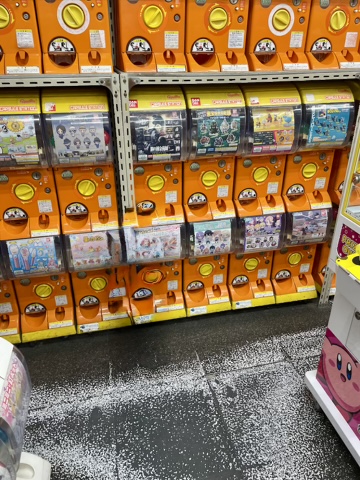
Travelling to Japan with kids? One of the little experiences your family might quickly fall in love with is gashapon, Japan’s popular capsule toy vending machines. You’ll find them in shopping malls, train stations, gaming centres and many other places throughout the country. If you’ve been researching your trip to Japan, chances are you’ve already seen pictures of these colourful machines!
Our family tries to visit Japan at least once a year, and our kids absolutely love gashapon. What started as a fun way to pick up a small toy quickly introduced us to a much bigger world of collectible figures, character merchandise and themed capsule toys. We hadn’t realized just how popular these little machines were until we experienced them ourselves.
In this guide, we’ll explain what gashapon are, what the name means, where to find them in Japan and how much they cost. We’ll also share why these little toys can become such a fun part of a family trip — and why you might find yourself saving your coins for just one more turn!
What Is Gashapon?
Gashapon are Japanese capsule toy vending machines that dispense small toys and collectibles inside plastic capsules. Also commonly called gachapon, these machines can be found throughout Japan, from shopping centres and convenience stores to train stations. Some locations even have entire stores or multiple floors dedicated to gashapon machines, making them a fun stop for collectors and families alike.
The word gashapon describes the sounds associated with using the machine. Gasha (or gacha) refers to the clicking sound of turning the handle, while pon represents the sound of the capsule dropping into the collection tray. You insert your coins, turn the handle and wait to see which toy you get.
Gashapon is a trademark associated with Bandai, which operates official Gashapon shops in Japan. Gachapon is another widely used spelling for capsule toy machines and the hobby surrounding them. You’ll see both terms when researching Japanese capsule toys, so don’t worry if you come across different spellings.
Gashapon machines first appeared in Japan in the 1960s and have since become a familiar part of everyday life. They’re popular with tourists, but locals enjoy them too, particularly collectors looking for specific characters, figures and limited-edition designs.
Once you’ve tried a gashapon machine yourself, it’s easy to understand the appeal. You never know exactly which toy you’ll get, and that little element of surprise can make it tempting to stop whenever you spot another row of machines during your travels in Japan.
How Much Does Gashapon Cost?
One of the fun things about trying gashapon in Japan is that you can find capsule toys at a range of prices. Many machines cost around ¥300 to ¥500 per turn, although cheaper options exist and premium or larger collectibles can cost considerably more. We’ve even seen capsule toys priced at ¥1,500, or around CAD $14, depending on the exchange rate.
The price usually depends on the size of the toy, the level of detail and whether it features a popular licensed character or brand. For families travelling with kids, those small purchases can add up quickly, especially when everyone wants to try just one more machine!
Do You Need Coins for Gashapon?
Many traditional gashapon machines still use coins, so it’s helpful to keep some Japanese yen handy. Some machines accept electronic payments or other payment methods, but you shouldn’t assume every machine will take bills or credit cards.
We’ve found that machines dedicated to gashapon are often grouped in shopping centres, gaming arcades and specialist stores. Some locations have change machines nearby, making it easier to exchange cash for the coins you need. However, availability varies, so it’s worth keeping a few ¥100 coins with you rather than relying on finding change every time.
Our tip: Set a small budget before you start turning the handles, particularly if you’re exploring gashapon shops with kids. The toys can be inexpensive individually, but collecting several can quickly become a bigger expense than you expected.
What Are Gashapon Capsule Toys?
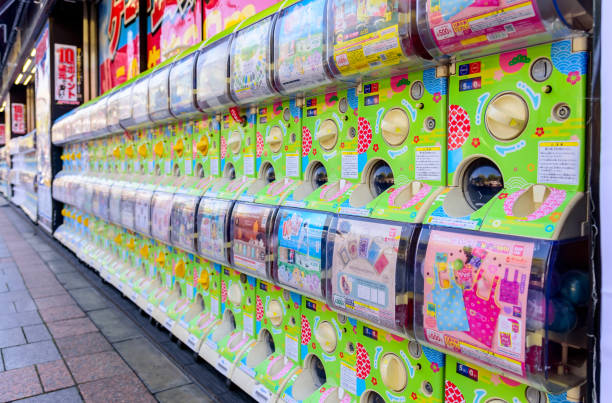
One of the best things about gashapon in Japan is the incredible variety of items hidden inside the capsules. While miniature figures are among the most popular options, you’ll also find keychains, accessories, novelty items and tiny replicas of everyday objects. Some capsules even contain practical items such as miniature tote bags and coin purses.
Many gashapon toys feature characters from popular Japanese franchises and international entertainment brands. Depending on the machines you come across, you might find everything from Walt Disney characters and Studio Ghibli collectibles to Pokémon toys.
Some collections feature multiple designs that people try to collect as a complete set. Rare or sought-after figures can sometimes be resold on the secondary market, although their value varies considerably.
For families, this variety is part of the fun. You never know exactly which design you’ll get, and even a small capsule can make a memorable souvenir from your trip to Japan.
Where Can I Find Gashapon in Japan?
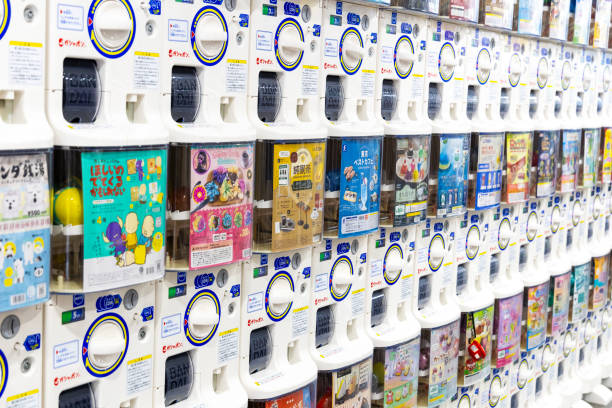
One of the easiest things about finding gashapon in Japan is that the machines are everywhere. Whether you’re exploring Tokyo, Osaka or another major city, you’ll often spot rows of colourful capsule toy machines in shopping centres, train stations, arcades and other busy areas. Some locations even have entire stores dedicated to gashapon, with hundreds of machines lined up side by side.
Here are some of the most common places to find gashapon machines in Japan:
- Shopping malls: Many large shopping centres have dedicated gashapon stores or sections filled with capsule toy machines.
- Arcades and game centres: These are great places to find a wide selection of machines, often alongside video games and other entertainment.
- Train stations: Look out for machines in and around busy stations, particularly in larger cities.
- Electronics and department stores: Major retailers often have gashapon sections featuring popular characters and newer releases.
- Covered shopping streets: Known as shōtengai (商店街) in Japanese, these shopping areas can be fun to explore with kids.
- Toy stores: Some carry capsule toy machines alongside their regular merchandise.
- Amusement parks: You may find themed capsule toys featuring characters from popular attractions.
Our Favourite Places to Find Gashapon With Kids
When we’re travelling around Japan with our kids, shopping malls are a good place to start. Many have dedicated gashapon areas where children can spend some time choosing their favourite machines while the adults explore the other shops. It’s an easy way to add a little fun to a shopping trip.
Arcades and game centres are another good option. Alongside the video games, you’ll often find plenty of gashapon machines to browse. They’re worth a visit if you want to combine capsule toy collecting with other indoor entertainment, especially on a rainy day.
Our other tip is to check major electronics stores. Chains such as Bic Camera, Yodobashi Camera and LABI are worth looking in when you’re searching for gashapon. Depending on the store, you may find machines near the toys, games or character merchandise.
If you’re planning a day of sightseeing, you don’t necessarily need to make a special trip just to find gashapon. Keep an eye out as you explore Japan; you may come across a great selection when you’re simply passing through a shopping centre or train station. . They are usually on the same floor as the toys or video games and are often the latest gashapon offerings.
Are Gashapon Worth It?
When it comes to gashapon, we think it really comes down to personal preference. Some people love collecting capsule toys and will try every machine they come across, while others are happy to browse the displays without spending any money. Both approaches are perfectly fine!
Personally, we think trying gashapon is a fun experience to include in your Japan trip. The machines have become popular in other countries, too, but there’s something special about discovering the huge variety of capsule toys available in Japan. Even if you spend just ¥300 on a single capsule, you could end up with a unique little souvenir to remember your trip.
And who knows? Once you turn the handle, hear the capsule drop and discover which toy you’ve won, you might find yourself looking for another machine before you know it!
Have you tried gashapon in Japan? We’d love to hear about your experience in the comments. If you’re planning your own trip, you can also check out our Airalo Japan eSIM review to learn about one of the ways we stay connected while travelling around Japan.
Frequently Asked Questions About Gashapon
What does gashapon mean in Japanese?
Gashapon refers to Japan’s capsule toy vending machines and the toys they dispense. The name imitates the sounds of using a traditional machine: gasha describes the sound of turning the handle, while pon represents the capsule dropping into the collection tray. You’ll also commonly see the word spelled gachapon.
Is it gashapon or gachapon?
Both spellings are widely used to describe Japanese capsule toy machines and collectibles. Gashapon is associated with Bandai’s branded capsule toy business, while gachapon is a common alternative spelling. If you’re searching for these machines in Japan, either term can help you find information about them.
How much does gashapon cost in Japan?
Many gashapon machines cost around ¥300 to ¥500 per turn, although prices vary depending on the toy and machine. Larger or premium capsule toys can cost ¥1,000 or more. If you’re travelling with kids, it’s worth setting a budget before you start, as several small purchases can quickly add up.
Where can I find gashapon machines in Japan?
Gashapon machines are common in Japanese shopping malls, train stations, arcades, toy stores and electronics retailers. You can also find dedicated gashapon shops with rows of machines featuring different characters and collectibles. In major cities such as Tokyo and Osaka, keep an eye out while exploring shopping areas, or visit a large electronics store if you’re looking for a wide selection.
- Tokyo With Kids: DisneySea, Shibuya, Akihabara, and More
 Tokyo can feel overwhelming and endless, but it’s actually also one of the easiest big cities to visit with kids. Don’t believe us? We’ll show you why. There’s always something to see, the trains are safe and efficient, and the food is incredible. This guide covers how we spent four days in Tokyo with our …
- Japan With Kids: A 10-Day Itinerary From a Family Who Keeps Going Back
 Japan is one of the easiest and most rewarding countries to visit with kids, and also one of the easiest to over-plan. We’ve travelled there as a family more than ten times, usually in the fall and winter, and our trips follow a similar shape: Tokyo, Osaka, Kyoto, and Hiroshima, plus theme parks, great food, …
- What Is Gashapon? A Guide to Japan’s Capsule Toys
 Travelling to Japan with kids? One of the little experiences your family might quickly fall in love with is gashapon, Japan’s popular capsule toy vending machines. You’ll find them in shopping malls, train stations, gaming centres and many other places throughout the country. If you’ve been researching your trip to Japan, chances are you’ve already …
- Is the Japan Rail Pass Worth It in 2026? Prices, Routes and Alternatives
 Planning a family trip to Japan and wondering whether the Japan Rail Pass is worth buying? The JR Pass offers unlimited travel on eligible Japan Railways trains for 7, 14 or 21 consecutive days, but it isn’t necessarily the cheapest option for every itinerary. We’ve travelled to Japan more than ten times, and we know …
- Porto With Kids: Best Things to Do for Families (2026)
 Porto is one of Portugal’s most appealing destinations, with colourful riverside streets, historic landmarks and plenty of delicious food to try. But is it a good city to visit with children? Earlier this year, our family travelled around Portugal with our two children, aged four and seven, and Porto was one of our stops. It …
- Lisbon With Kids: Is It Worth Visiting as a Family? (2026)
 Lisbon is a city of colourful streets, historic trams, delicious food and plenty of places to explore. But is Portugal’s capital a good destination for families travelling with young children? Earlier this year, our family visited Portugal, including Lisbon, with our two children, aged four and seven. During our time in the city, we rode …