
If your family loves Studio Ghibli movies, visiting Ghibli Park in Japan might sound like a dream come true. But is it worth adding to your Japan itinerary, especially when you’re travelling with kids?
During our family’s winter trip to Japan, we managed to visit three areas of Ghibli Park: Ghibli’s Grand Warehouse, Dondoko Forest and Mononoke Village. We loved the chance to step into the worlds of some of our favourite films, but the experience wasn’t perfect. There’s plenty of walking, the different areas are spread out, and planning your visit takes some effort.
In this Ghibli Park review, we’ll share what our family enjoyed, what we’d do differently and whether we think the park is worth visiting. We’ll also cover tickets, getting there from Nagoya, food and what families should know before going.
What is Ghibli Park?
Ghibli Park is a theme park dedicated to the beloved animated films of Studio Ghibli. It’s located in Expo 2005 Aichi Commemorative Park in Nagakute, just outside Nagoya, Japan, making it a popular day trip for visitors staying in the city.
Rather than a traditional theme park filled with big roller coasters and rides, Ghibli Park invites visitors to explore detailed buildings, recreated scenes, exhibits and shops inspired by movies such as My Neighbour Totoro, Kiki’s Delivery Service, Howl’s Moving Castle and Princess Mononoke.
The park is made up of five areas: Ghibli’s Grand Warehouse, Hill of Youth, Dondoko Forest, Mononoke Village and Valley of Witches. Each has its own theme and attractions, and the areas are spread throughout the larger Expo 2005 Aichi Commemorative Park.
Ghibli’s Grand Warehouse is an indoor collection of exhibits, displays and interactive experiences. New additions for 2026 include the Panorama Boxes exhibition, featuring 31 panorama boxes created by Hayao Miyazaki, and A Night in the Valley of Witches, an original short film screening at the park’s Cinema Orion.
Hill of Youth features locations inspired by Whisper of the Heart and The Cat Returns, while Dondoko Forest takes visitors into the world of My Neighbour Totoro. Mononoke Village draws inspiration from Princess Mononoke, with a landscape and buildings that evoke the film’s mountain village.
The fifth area, Valley of Witches, is inspired by Studio Ghibli’s witch-related films, including Kiki’s Delivery Service, Howl’s Moving Castle and Earwig and the Witch. Its European-style streets include recognizable buildings such as Kiki’s family home, Howl’s Castle and the House of Witches, along with shops, restaurants and rides.
Ghibli Park has continued to evolve since opening, and there are more developments on the horizon. In August 2026, Aichi Prefecture announced that it would move forward with a third-phase concept for a new indoor facility inspired by Nausicaä of the Valley of the Wind. The project is still in the concept stage, so an opening date and further visitor details have not yet been confirmed.
For our family, visiting Ghibli Park was a chance to step into some of the worlds we’ve loved watching on screen. We visited Ghibli’s Grand Warehouse, Dondoko Forest and Mononoke Village, and we’ll share our experience of those areas below. While we didn’t visit every part of the park, we’ll also cover what families should know about the other areas when planning a visit.
How to Access the Studio Ghibli Park?
The access is fairly limited if you are a tourist. Locals can drive, and you can certainly take a taxi, but the easiest way is to take the train from Nagoya station. If you aren’t staying in Nagoya, you can take a Shinkansen to Nagoya with the Japan Rail Pass. The Shinkansen takes about an hour and a half from Tokyo Station and about an hour from Shin-Osaka Station.
What is the Japan Rail Pass? Read our article on it here: Japan Rail Pass 2024
Once you arrive at Nagoya Station, you will need to find the Higashiyama Subway line. Take this train towards Fujigaoka Station and get off at Fujigaoka Station.
Follow the signs to the Linimo Line train and take the platform heading in the direction of Yakusa Station. Take the Linimo Line train to Ai-Chikuyuhaku-Kinen-Koen Station. It is a five-minute walk from the station to the gates of the Expo Commemorative Park.
Booking Ghibli Park Tickets
Tickets go on sale two months in advance, on the 10th of the month at 2 p.m. Japan time. For example, tickets for December 2026 go on sale October 10, 2026. You can book through the official overseas ticket page, which links to Lawson Ticket and Klook.
I’d recommend deciding which areas are most important to your family before booking. The Premium pass gives you the most flexibility, but if you’re happy to focus on the Grand Warehouse, Mononoke Village and Valley of Witches, the Standard pass can save quite a bit, especially when buying tickets for a family.
Keep in mind that Ghibli Park tickets are non-refundable, and changes to the date, time or ticket type aren’t accepted after booking. Check the official ticket page for the latest prices, availability and booking instructions before you buy.
Successful Reservations at Studio Ghibli Park
We have heard that tickets can be difficult to obtain for Studio Ghibli Park. Luckily, we were prepared. For our trip in December, we bought them when they went on sale in September. It’s not quite as stressful as getting a reservation at the Pokemon Cafe, but it did take some patience.
Tickets may be available closer to the date, but we would not recommend risking it if you want to go. Don’t leave it to chance; get those tickets and secure your spot as soon as you can!
Ghibli Park Ticket Prices
We were impressed by how reasonable the tickets are for Studio Ghibli Park. Granted, there are no rides or games, just a lot of walking around. Still, compared to attractions in other countries, Japan is quite reasonable.
Here’s a look at the prices for the different attractions at Studio Ghibli Park:
Ghibli Park O-Sanpo Pass Standard (Includes Ghibli’s Grand Warehouse, Mononoke Village, and Valley of Witches)
| Adults | Children (Age 4-12) | Children (Age 0-3) | |
| Weekdays | 3,300 Yen | 1,650 Yen | 0 Yen |
| Weekends and Holidays | 3,800 Yen | 1,900 Yen | 0 Yen |
Ghibli Park O-Sanpo Pass Premium (Includes all attractions from the standard pass and also the Dondoko Forest and Hill of Youth)
| Adult | Children (Age 4-12) | Children (Age 0-3) | |
| Weekdays | 7,300 Yen | 3,650 Yen | 0 Yen |
| Weekends and Holidays | 7,800 Yen | 3,900 Yen | 0 Yen |
Which Ghibli Park Ticket Should You Buy?
The O-Sanpo Day Pass Premium is the best option if you want to visit all five areas: Ghibli’s Grand Warehouse, Hill of Youth, Dondoko Forest, Mononoke Village and Valley of Witches. It also includes entry to the designated buildings in Valley of Witches, including Howl’s Castle, Okino Residence and the House of Witches.
The O-Sanpo Day Pass Standard costs considerably less, but it only includes Ghibli’s Grand Warehouse, Mononoke Village and Valley of Witches. If you want to visit Dondoko Forest or Hill of Youth, you’ll need to choose the Premium pass.
Both passes require you to select an entry time for Ghibli’s Grand Warehouse when booking. The other included areas do not have assigned entry times, but you must enter them by 4:30 p.m.
One detail worth knowing if you choose the Standard pass: entry to Howl’s Castle, Okino Residence and the House of Witches costs extra. These same-day tickets are limited, so they may sell out. Premium ticket holders do not need to pay separately for these buildings.
The Ghibli Grand Warehouse Review
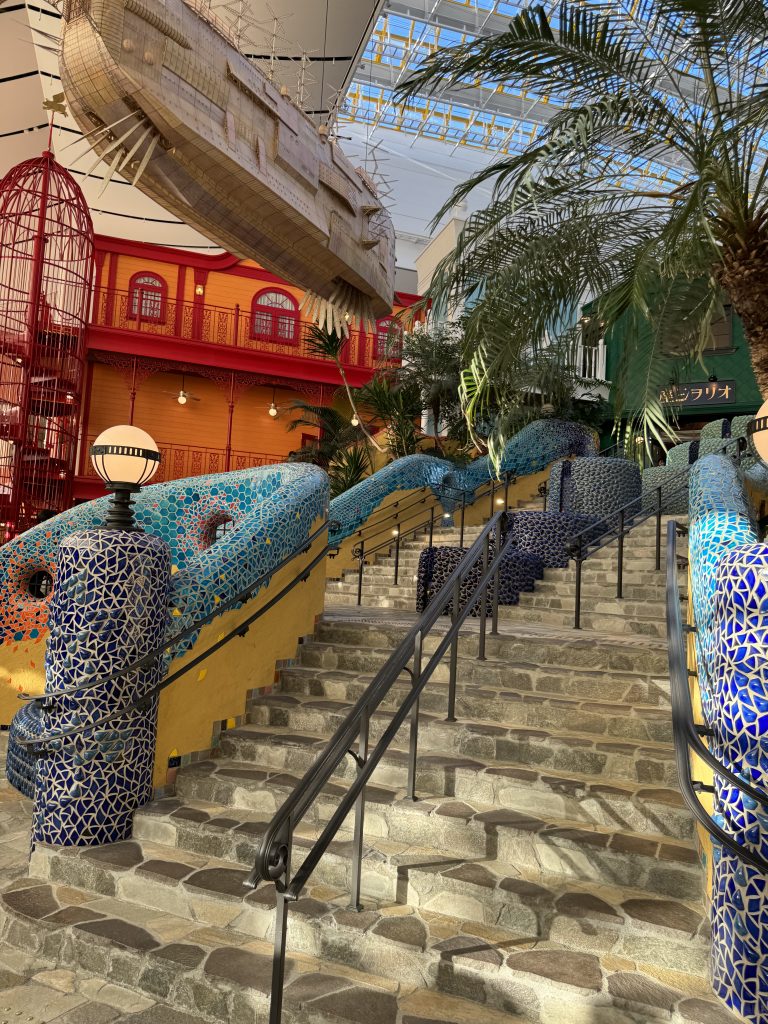
The Ghibli Grand Warehouse is the largest attraction in the park and the only one that is completely indoors. From the moment you walk into the building, you will be transported into the world of Ghibli. From the colourful fauna to the street signs and buildings. For us, it was extremely nostalgic, and the kids loved being able to run around in a town that looked like it was straight out of the movies.
Several areas in the warehouse are for kids only. This means they can run around as they please, and adults simply need to keep an eye on them. The popular Cat Bus is one of those areas, and unfortunately, it is also a no-photography area. You can try to sneak some photos, but we respected the rules of the attraction. Our kids enjoyed climbing on the giant Cat Bus and running through the buildings from each movie.
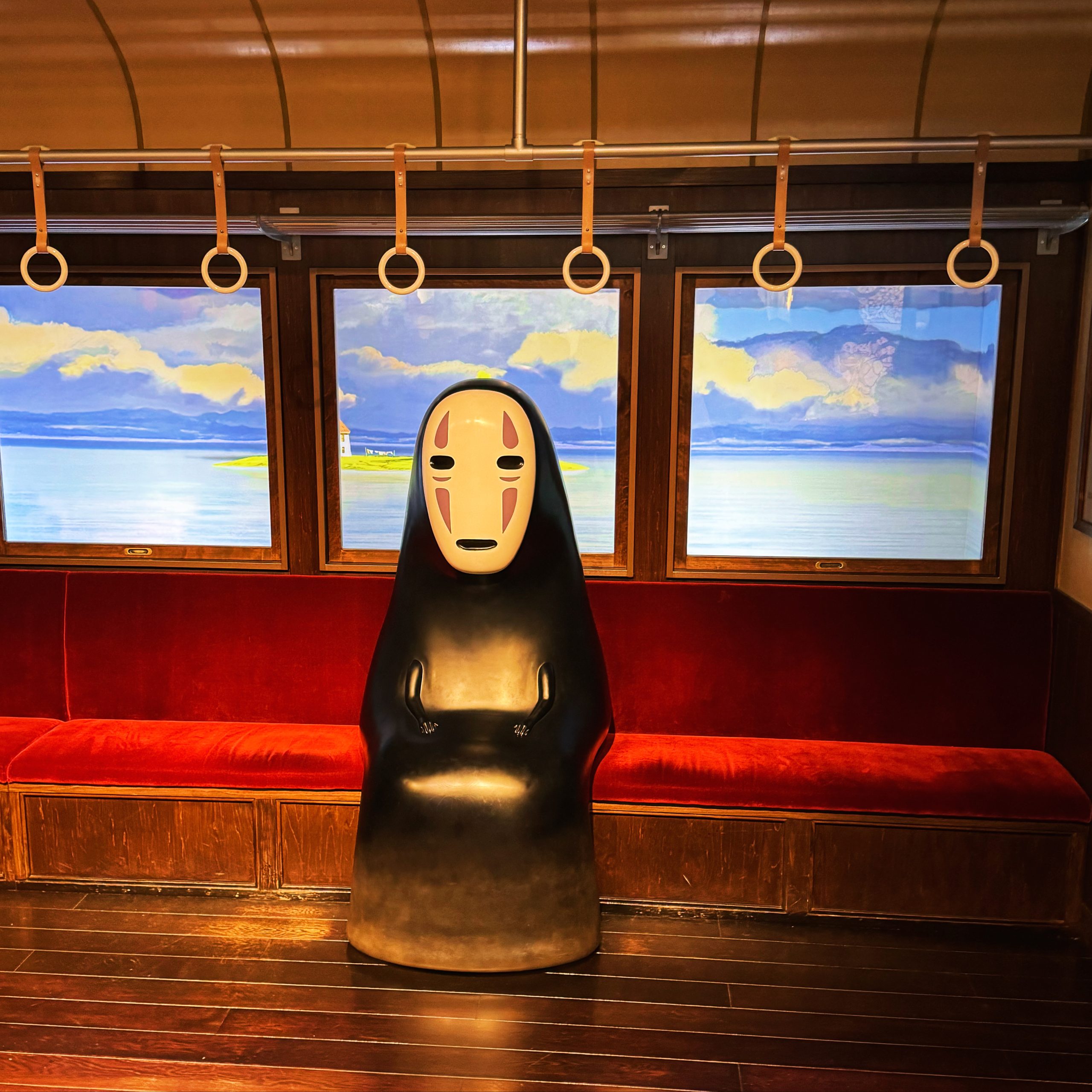
The largest attraction in the warehouse is the photo opportunities in scenes from nearly every Studio Ghibli movie. The most well-known of these is sitting on the train next to a statue of No-Face from Spirited Away. But there are other great scenes, including the tidal wave of fish from Ponyo and the head of the Forest Spirit from Princess Mononoke.
There are other attractions, including a book shop, a toy shop, and a tour of old props used in some of the films. This is also where the gift shop is, which we highly recommend going to. There are plenty of exclusive things that you can only purchase at the Studio Ghibli Park.
Where to Eat at the Ghibli Grand Warehouse
There is also the Transcontinental Flight Cafe in the Ghibli Grand Warehouse that serves various sandwiches, pizzas, and other quick snacks. The food is fine, but nothing too extraordinary, to be honest.
You can try the Siberian red bean cakes and milk at the Siberian Milk Stand. The glass jar of milk is a must-have for collectors and is an awesome keepsake from the warehouse. It has the Ghibli Park cat princess logo on the bottle and is a very cool retro collectible.
Ghibli Grand Warehouse: Our Honest Opinion
This is the biggest attraction at Studio Ghibli Park, and it did not disappoint. Our kids loved running around the different areas from each Ghibli film, and the giant climbable Cat Bus statue was the highlight. Everything about this area was nostalgic and brought out the inner Ghibli fan in us. The lineup to get into the area where No-Face is was the longest lineup in the park, but it only took us about ten minutes altogether.
If you are going to go to one area at Studio Ghibli Park, these tickets are well worth the very reasonable price of admission.
Mononoke Village: Our Honest Opinion
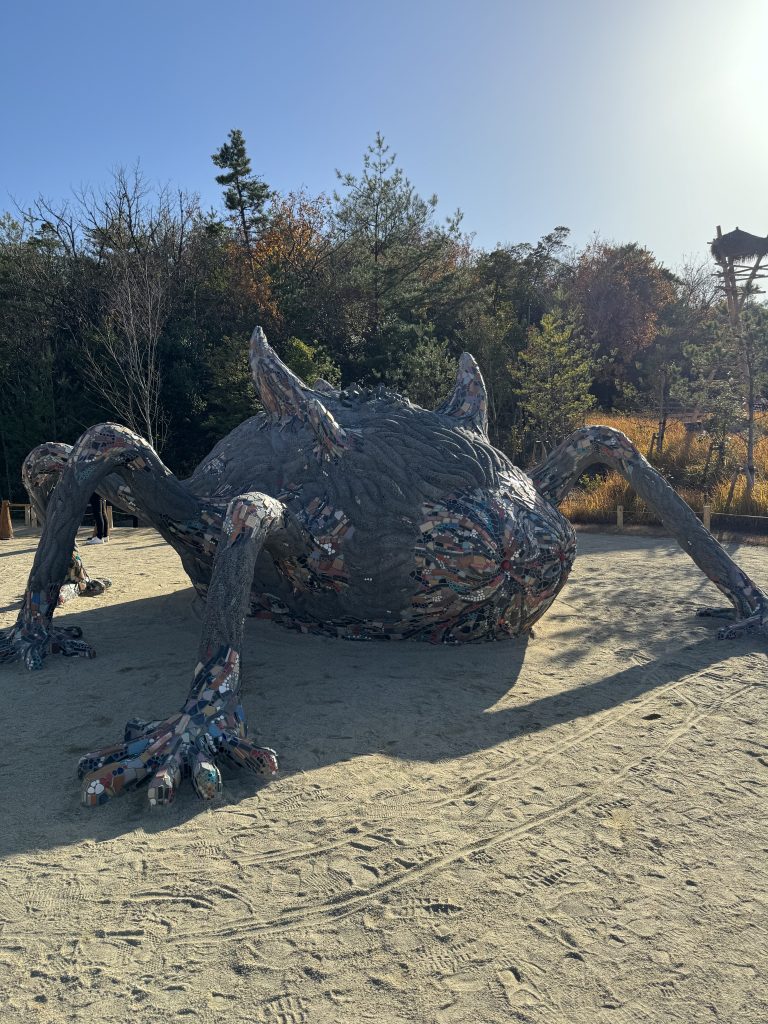
Mononoke Village was surprisingly cool, and our kids loved seeing the statues and scenery inspired by Princess Mononoke, including the wild boar and the demon shown in the photo above. The landscape looks like it could have been lifted straight out of the film, and the whole area has a surreal, almost spiritual feel to it.
There are a few fun things to do in Mononoke Village, including making and grilling gohei-mochi, a traditional Japanese rice cake. When we visited, the experience cost ¥1,500 per person and included a small jar of sauce to enjoy with the mochi.
There is also a Tatara-ba learning centre, which gives visitors a chance to learn more about the world of Princess Mononoke. Another activity is a kinako-making experience served with warabi mochi, although that stand wasn’t open when we visited.
One thing to keep in mind is that Mononoke Village does require a bit of walking. It isn’t particularly far from the other areas, but it took us about 10 minutes to walk from Ghibli’s Grand Warehouse and roughly 15 minutes from Dondoko Forest.
For us, the walk was worth it. Mononoke Village had a completely different atmosphere from the Grand Warehouse, and the scenery made it feel like we had stepped into the world of Princess Mononoke.
Dondoko Forest: Our Honest Opinion
Dondoko Forest is where you will find the large Totoro statue and the replica of the Kusakabe house where Mei and Satsuki live. The house is very realistic, with each room laid out exactly like it is in the movie. All of the details are there, right down to the old water pump they used in the yard for washing their clothes. Although our children loved the movie, they weren’t too excited about going into the house. This is understandable, as there isn’t much to do aside from looking at the rooms and walking quietly around the inside.
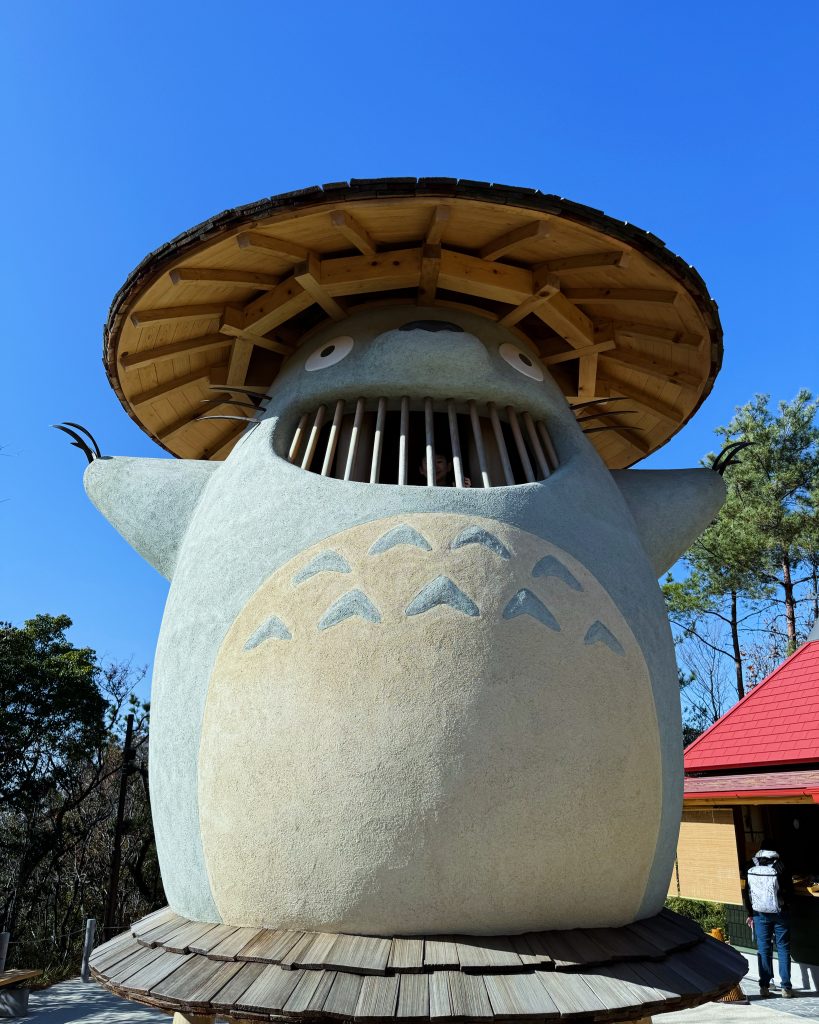
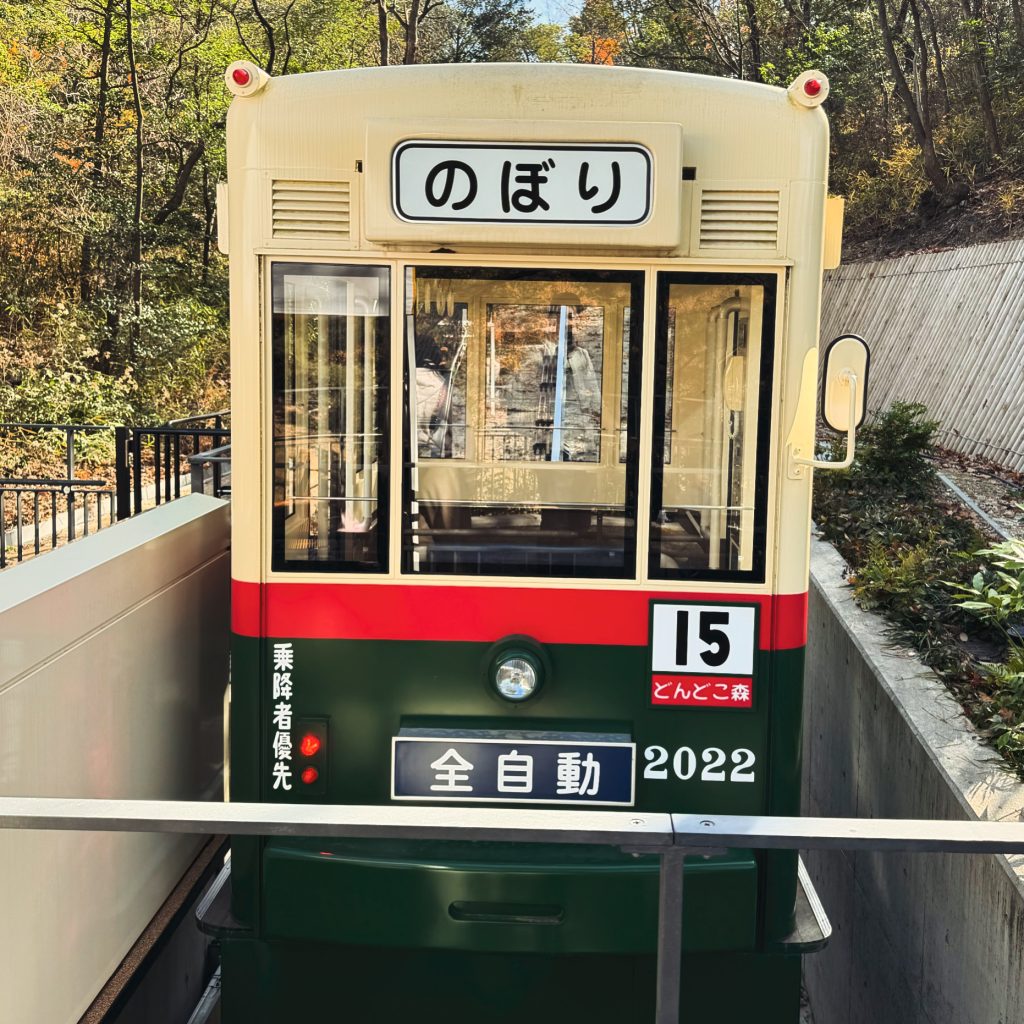
The Totoro statue was a hit, especially since we took the Dondoko-go tram up to the top of the hill. This tram is a replica of the old-style trams that were once used in Nagoya city. The ride itself is only about a minute, but it was a fun ride for our kids!
At the top, you will immediately see the Totoro statue in the middle of the clearing. It is a wonderful sight for all fans of Totoro. Younger children can climb inside and look out through Totoro’s teeth. This was easily the highlight for the children and well worth the trek through the surrounding forests.
You will even find a souvenir booth with various charms and Totoro bells that you can only purchase inside Dondoko Forest.
What About the Other Areas of Ghibli Park?
Although we explored three areas of Ghibli Park during our visit, there’s still more we’d love to experience. The Valley of Witches and Hill of Youth are both on our list for next time, and we’d also like to spend more time going back and exploring Mononoke Village some more.
We know that every family’s Ghibli Park experience will be a little different, depending on which movies they love most and how much time they have to explore. Rather than pretend we can review areas we haven’t visited, we’ll save our thoughts on these parts of the park for another trip.
Hopefully, we’ll have the chance to return with our family and share more of our experience. Until then, we hope our review of the areas we did visit helps you plan your own Ghibli Park adventure!
Our Studio Ghibli Park Review Score
Did we love Ghibli Park? Absolutely. But it isn’t without its flaws.
The biggest challenge is getting around. The different areas are spread throughout the park, so there is quite a bit of walking between attractions. Make use of the park’s bus service when you can, especially if you’re visiting with younger kids.
Getting tickets can also be challenging, so plan ahead and book as early as possible. Popular dates can sell out quickly, and having your tickets sorted before your trip will make the day much less stressful.
Food isn’t necessarily a highlight, either. We saw plenty of families bringing their own lunches, onigiri and bentos to enjoy around the park. Food options inside the park are fairly limited, with sandwiches and pizza among the quick options. There’s also a Lawson convenience store near the entrance if you want to grab something before heading in.
Despite those drawbacks, Ghibli Park is an incredibly memorable experience for Studio Ghibli fans. The atmosphere, film-inspired settings and unique souvenirs make it feel very different from a traditional theme park.
Is Ghibli Park worth visiting once? Absolutely. For our family, it was a fun and memorable part of our Japan trip. Would we go back? Probably, but we’d be more selective about which areas we visited the second time around.
| Overall Experience | 4.5 |
| Studio Ghibli Park Food | 3.5 |
| Studio Ghibli Park Accessibility | 4.0 |
| Studio Ghibli Ticket Reservation System | 3.5 |
| Studio Ghibli Park Service | 4.5 |
| Studio Ghibli Park Memoribilia/Gift Shop | 4.5 |
Ghibli Park FAQs
Is Ghibli Park worth visiting with kids?
Yes, especially if your kids love Studio Ghibli movies. Ghibli Park isn’t a traditional theme park with big rides. Instead, families explore detailed buildings, film-inspired settings, exhibits and play areas. Our kids particularly enjoyed the Cat Bus at Ghibli’s Grand Warehouse and the Totoro statue at Dondoko Forest. Just be prepared for plenty of walking between the different areas.
How long do you need at Ghibli Park?
We recommend allowing a full day if you want to experience several areas of Ghibli Park. The five areas are spread throughout Expo 2005 Aichi Commemorative Park, so getting between them takes time. If you only have a few hours, choose the areas that appeal most to your family and make sure your ticket includes them.
Do you need to reserve Ghibli Park tickets in advance?
Yes. Ghibli Park requires advance reservations, so you should buy your tickets before your trip. Tickets are not simply available at the park entrance. Some attractions within Valley of Witches have separate same-day tickets for visitors who already have a valid park ticket, but these are limited and subject to availability.
Is Ghibli Park the same as the Ghibli Museum in Tokyo?
No. Ghibli Park and the Ghibli Museum are two completely different attractions. Ghibli Park is in Nagakute, near Nagoya, while the Ghibli Museum is in Mitaka, Tokyo. They have separate ticketing systems, so make sure you book the right attraction when planning your Japan itinerary.
[…] eligible long-haul flights, Air France offers a dedicated selection of children’s entertainment, including cartoons, family-friendly films, children’s radio and age-appropriate games and […]
[…] on the machines you come across, you might find everything from Walt Disney characters and Studio Ghibli collectibles to Pokémon […]